What Private Photo Vault is
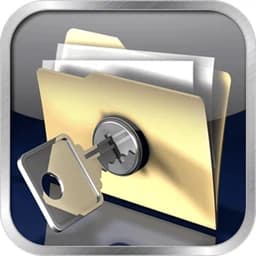
Private Photo Vault is published by Legendary Software Labs LLC and has been on the App Store since February 2011. It is listed as Private Photo Vault - Pic Safe, with a 4.8 rating from about a million ratings, a 171 MB download and a 17+ age rating. The listing leads with a PIN, a pattern lock, password-protected albums, a Break-in Report with a photo and GPS location, a Decoy Password and Face Down Lock.
How it protects your photos
The lock story is strong. You can lock the app with a PIN or a drawn pattern, put a separate password on an album, get a photo and location of anyone who enters the wrong code, and set a decoy password that opens a different set of albums. Face Down Lock closes the app when the phone is turned over.
What the listing does not say is whether the files on the phone are encrypted. The word encrypted appears once, for the Cloud Vault backup. There is no algorithm named and no recovery key you hold.
Where your photos go
By default photos stay on the phone. The optional Cloud Vault backs them up to the developer's cloud, encrypted with your password, and the listing says employees cannot view your photos. There is also Wireless Photo Transfer for moving photos from a computer, and a private web browser that can download photos straight into the app.
What it costs
The US listing shows Premium purchases at $6.99, $12.99, $35.99 and $39.99, plus a Private Photo Vault Upgrade at $39.99. Premium covers the Cloud Vault and the other paid features.
What the privacy label says
This is the part worth reading twice. Under Data Linked to You, the label lists Purchases, User Content (Photos or Videos), Identifiers (User ID and Device ID), Usage Data including Advertising Data, and Diagnostics. Usage Data is also listed under Data Used to Track You. A vault whose privacy label links your photos and identifiers to you is making a different promise from one that never sees them.
What the listing does not mention
The sources do not mention encryption of files on the device, working without an account for cloud features, a self-destruct passcode, a disguised icon, face blur, an encrypted backup in your own iCloud, a recovery key you hold, burner email, private contacts, or sub-albums. See Kryptis vs Private Photo Vault.
Who Private Photo Vault suits
It suits someone with a very large library who wants album organisation, a decoy password and evidence of break-ins, and is comfortable with the developer's cloud for backup. If you want the files themselves to be unreadable, the listing does not make that promise.
Kryptis instead
Kryptis is built for the people these listings leave out: anyone who wants the vault to stay on the phone and stay unreadable. Every photo, video and file is encrypted with AES-256-GCM on the device before it is stored, along with its metadata. There is no account and no server. A second passcode opens a decoy vault with its own albums, a third erases everything, and failed unlocks are recorded. Backup goes to your own iCloud, already encrypted, and the only way back in after a lost passcode is the BIP39 recovery phrase you were given at setup.